


Select Region
Let's Get Social!


Making Your Home Smoke-Free

Making Your Home Smoke-Free


How second- and third-hand smoke effects kids and adults, and how you can make your home smoke-free
    

A new year can be a time for a new beginning. There are many reasons to make a fresh start with a smoke-free home. This year the U.S. Department of Housing and Urban Development passed a rule to protect children and adults in public housing from the harmful effects of second-hand smoke, requiring they be smoke-free by mid-2018, but no matter where you live, a smoke-free home is a healthier home.

Making your home smoke-free protects you and your family from second-hand and third-hand smoke.


Here are some facts about the effects of smoking on the people you live with:

  • Second-hand smoke is made up of smoke from the burning end of a cigarette and the smoke breathed out by smokers. It contains more than 7,000 chemicals. Hundreds of these chemicals are toxic and nearly 70 are known to cause cancer.
       
  • In children, second-hand smoke can cause more frequent and severe asthma attacks, respiratory infections, ear infections, and sudden infant death syndrome.
       
  • In adults, second-hand smoke can cause diseases including heart disease, stroke, and lung cancer.
       
  • There is no safe level of exposure to second-hand smoke.
       
  • Even if no one is actively smoking in the house, smoke still has negative health effects. Third-hand smoke is the residue from smoking that clings to indoor surfaces even after smoking occurs. This residue mixes with dust and chemicals and becomes toxic.
       
  • Third-hand smoke contains many toxic chemicals that are also in second-hand and first-hand smoke.
       
  • Young children crawling on carpets and putting toys and other items in their mouths are at greatest risk of exposure to third-hand smoke, according to research.

   
Here are some actions you can take to protect yourself and your family:

  • Do not allow smoking in your home. Opening windows or using air filters does not eliminate exposure to second-hand smoke.
       
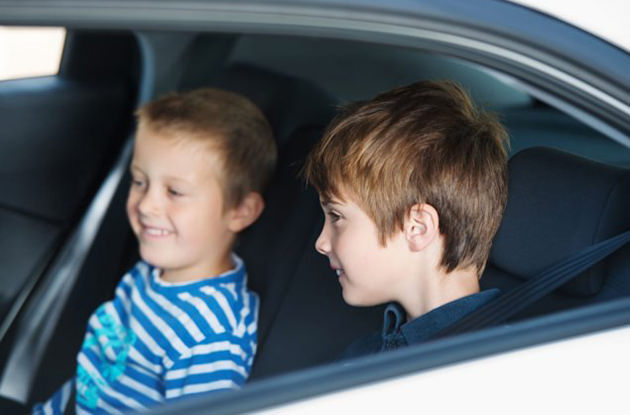
  • Do not allow smoking in your car.
       
  • Make sure your child’s day care, babysitter’s home, and schools are smoke-free.
       
  • Get help with quitting smoking. Medications and counseling can increase your chances of quitting successfully. Most insurance plans cover FDA-approved medications that can help you quit. Ask your doctor about what medications might work for you. Free counseling is available from the NY State Smokers’ Quitline at 1-866-NY-QUITS (697-8487).

  
Resources

 
RELATED:

Tips to Quit Smoking

Put Down the Cigarette and Spend Time with Your Kids


More Articles:

Latest News:

Family Activities:

Have a Laugh:

Author: Deepa Prasad, MPH, is the Project Director of NYC Treats Tobacco at NYU Langone Medical Center. NYCTT, funded by a grant from the NY State Department of Health, Bureau of Tobacco Control, supports health care organizations to implement policies and system changes that will ensure that all patients are routinely screened for tobacco use and all tobacco users are offered evidence-based treatment for nicotine dependence. See More

Featured Listings: